Some landmarks are famous for a reason. Byōdō-in is one of them, and it still went beyond all our expectations.
We visited this temple in Uji, half an hour from Kyoto, and left convinced it was one of the most beautiful visits of our whole trip to Japan. It is absolutely worth it, and here is why.
In this article
- In short
- A sunny day in front of the Phoenix Hall
- The temple already in your pocket
- Almost 1,000 years of history
- The Hōshōkan museum: pieces you won’t see anywhere else
- The walk there: shops, tea and plenty of life
- After Byōdō-in: shrines, rabbits and dango
- Tickets, opening hours and cost
- How to get to Uji from Kyoto
- FAQ
- Is it worth it?
In short
- Where: Uji, between Kyoto and Nara
- Why go: it’s the temple on the 10 yen coin, a UNESCO World Heritage Site and one of the most beautiful buildings in Japan
- Cost: 700 yen (gardens and museum) + 300 yen to go inside the Phoenix Hall
- Time: 1.5 to 2 hours, plus the walk along the shopping street
- Getting there: about 20 to 30 minutes by train from Kyoto Station
- Verdict: absolutely worth it
A sunny day in front of the Phoenix Hall
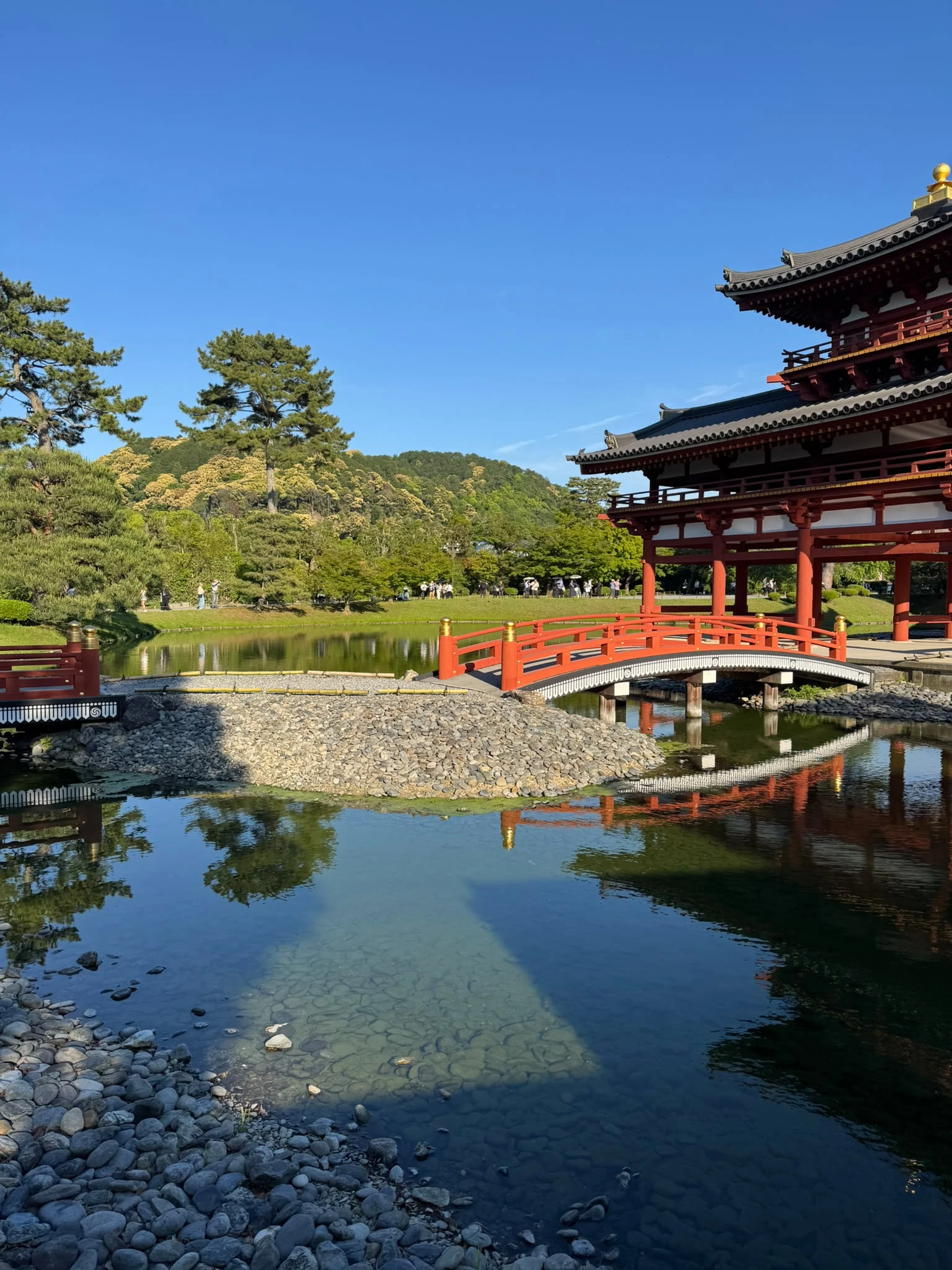
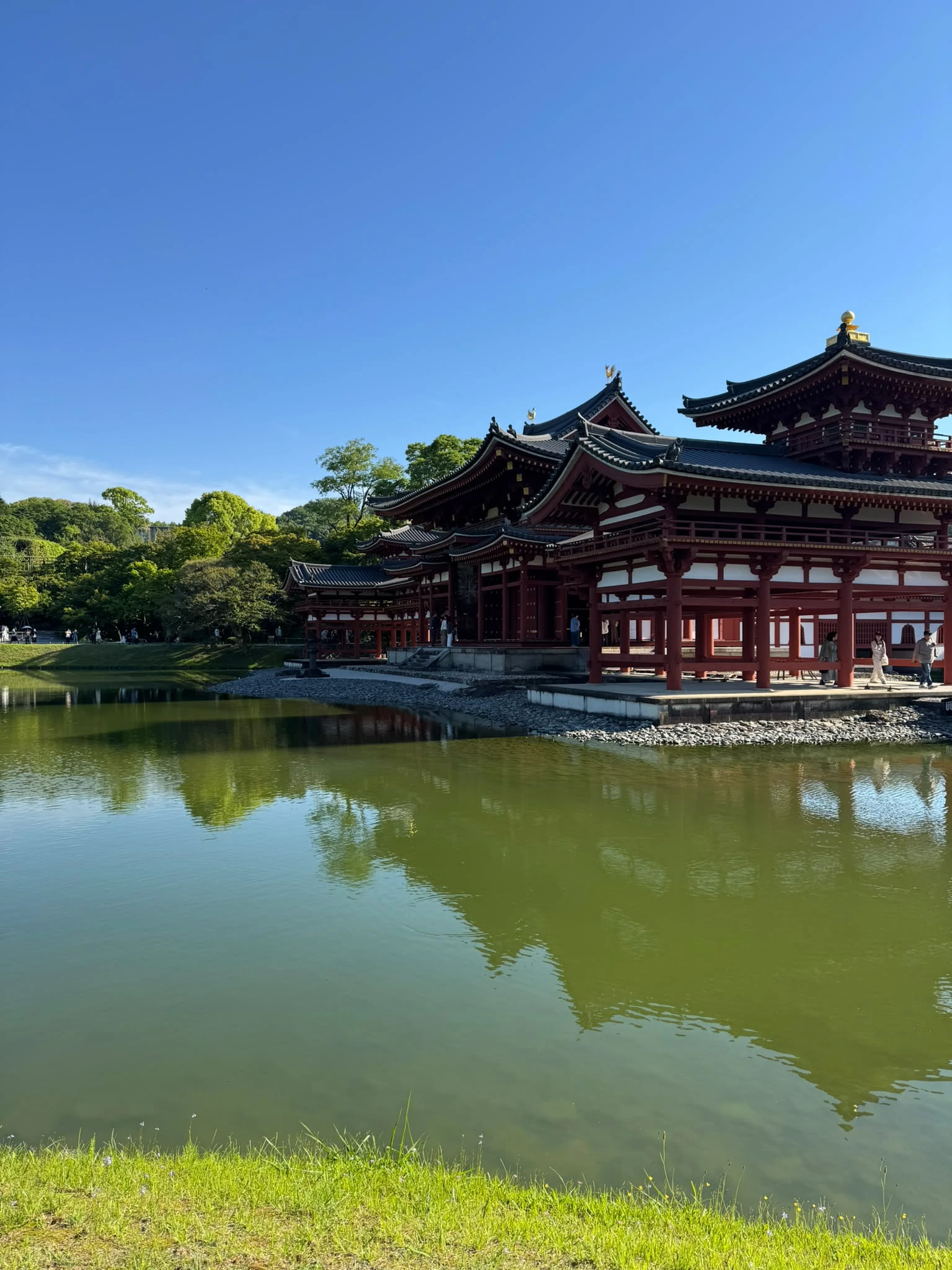
We got lucky with a sunny day, clear blue skies without a single cloud, and it could not have looked more beautiful. The reds of the Phoenix Hall seemed to glow against the blue, and its reflection in the pond made the scene almost unreal, as if the building were floating.
It’s one of those places that manages to be majestic and peaceful at the same time. We walked slowly around the pond, stopped at every angle for one more photo and simply stood there, looking. Beautiful doesn’t quite cover it.
The temple already in your pocket
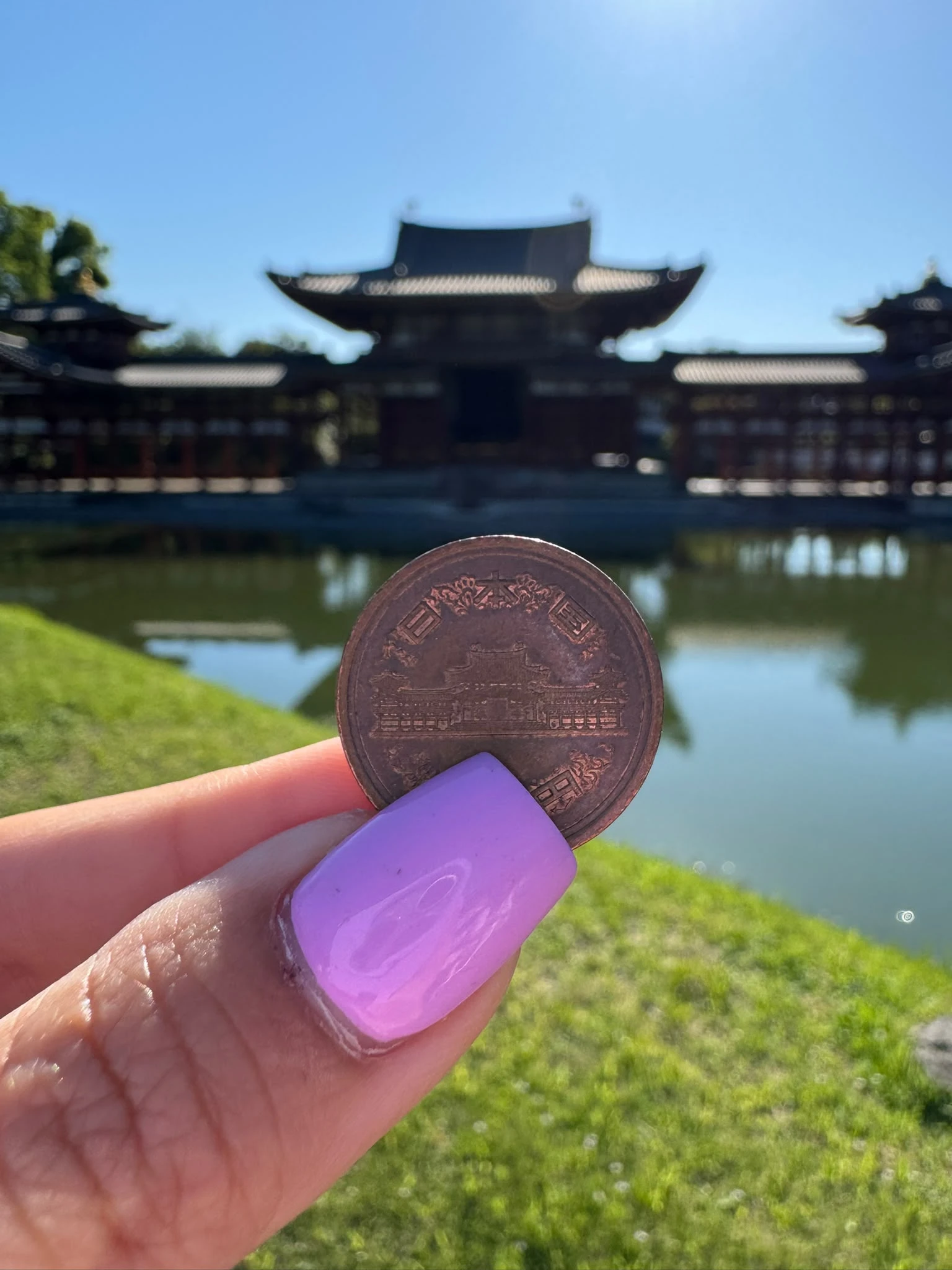
What fascinated me most was discovering that this is the building on the Japanese 10 yen coin. A place I had seen countless times, paying for a coffee or a metro ticket, without knowing it, until I was finally standing in front of it. Opening hours and prices on the official Byōdō-in website.
The Phoenix Hall has been on the 10 yen coin since 1951. And that’s not all: one of the golden phoenixes from the roof also appeared on the 10,000 yen note for around twenty years. So if you go to Japan, keep a 10 yen coin and take the classic photo, coin held up in front of the real temple. It’s impossible to resist.
Almost 1,000 years of history
Byōdō-in started out as a villa of the powerful Fujiwara clan and became a Buddhist temple in 1052. The Phoenix Hall was built a year later, in 1053, and is one of the very few buildings from that era to survive to this day.
The name comes from its shape: seen from the front, the hall looks like a phoenix with its wings spread, and two golden phoenix statues sit on the roof. It was meant to recreate the Pure Land paradise on Earth, and when you see it mirrored in the pond you understand why.
Inside is a gilded wooden statue of Amida Buddha, also from 1053, carved by the sculptor Jōchō. The hall, the statue and several other treasures are National Treasures, and the temple is part of the UNESCO World Heritage Site of ancient Kyoto.
The Hōshōkan museum: pieces you won’t see anywhere else
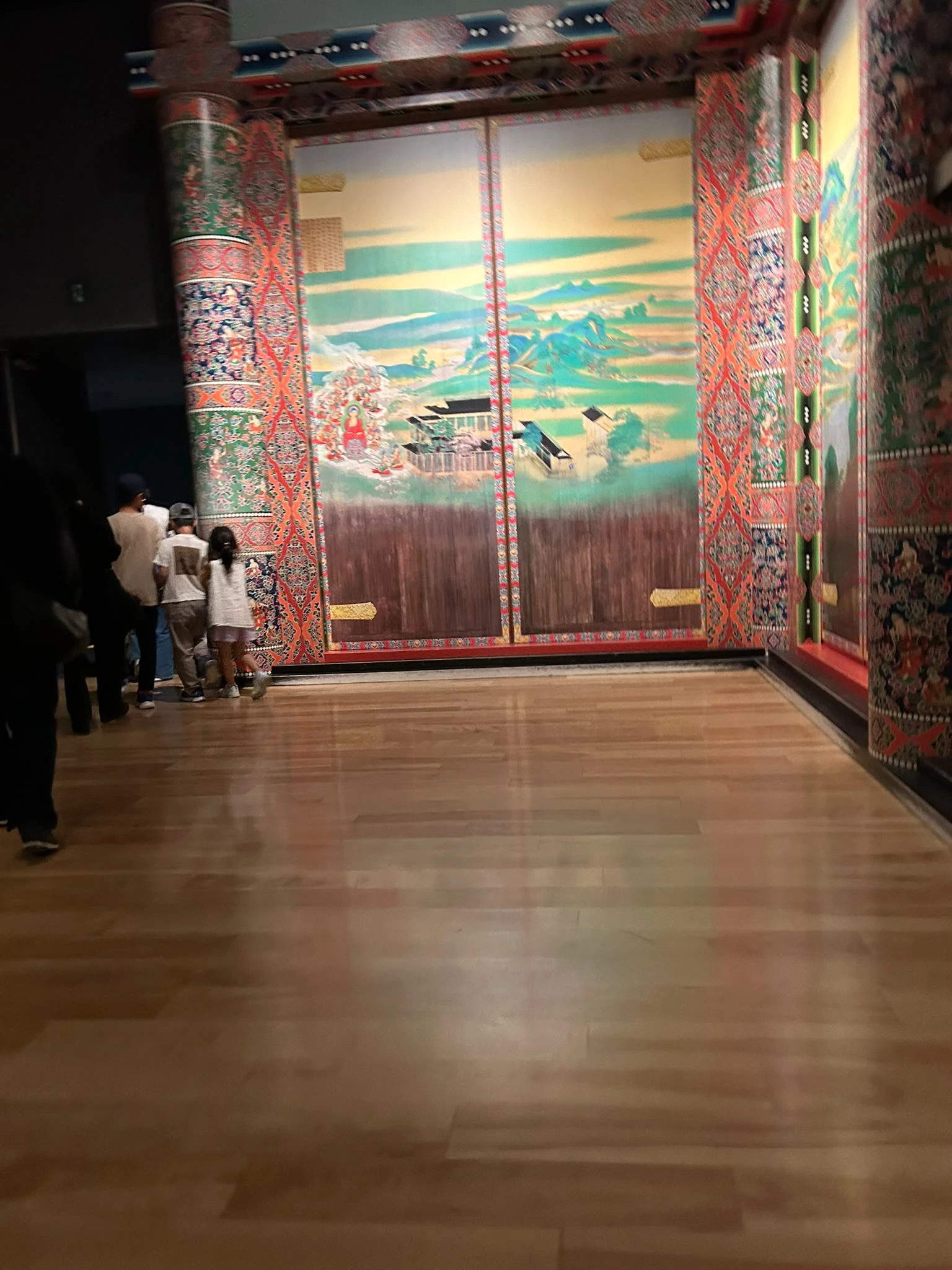
Don’t skip the museum. The Hōshōkan is tucked away in the garden, built mostly underground so it doesn’t spoil the view, and it holds unique pieces, many of them originals from the Phoenix Hall itself.
- The original phoenixes: the two statues on the roof today are replicas. The real ones, almost a thousand years old, are here, and seeing them up close is striking.
- The Bodhisattvas on clouds: small wooden figures playing instruments and dancing on clouds, which once decorated the walls of the hall. They are incredibly delicate.
- The temple bell: considered one of the three most famous bells in Japan for the beauty of its decoration.
The museum is included in the general ticket, and it’s modern, calm and very well explained. It helps you make sense of everything you see outside.
The walk there: shops, tea and plenty of life
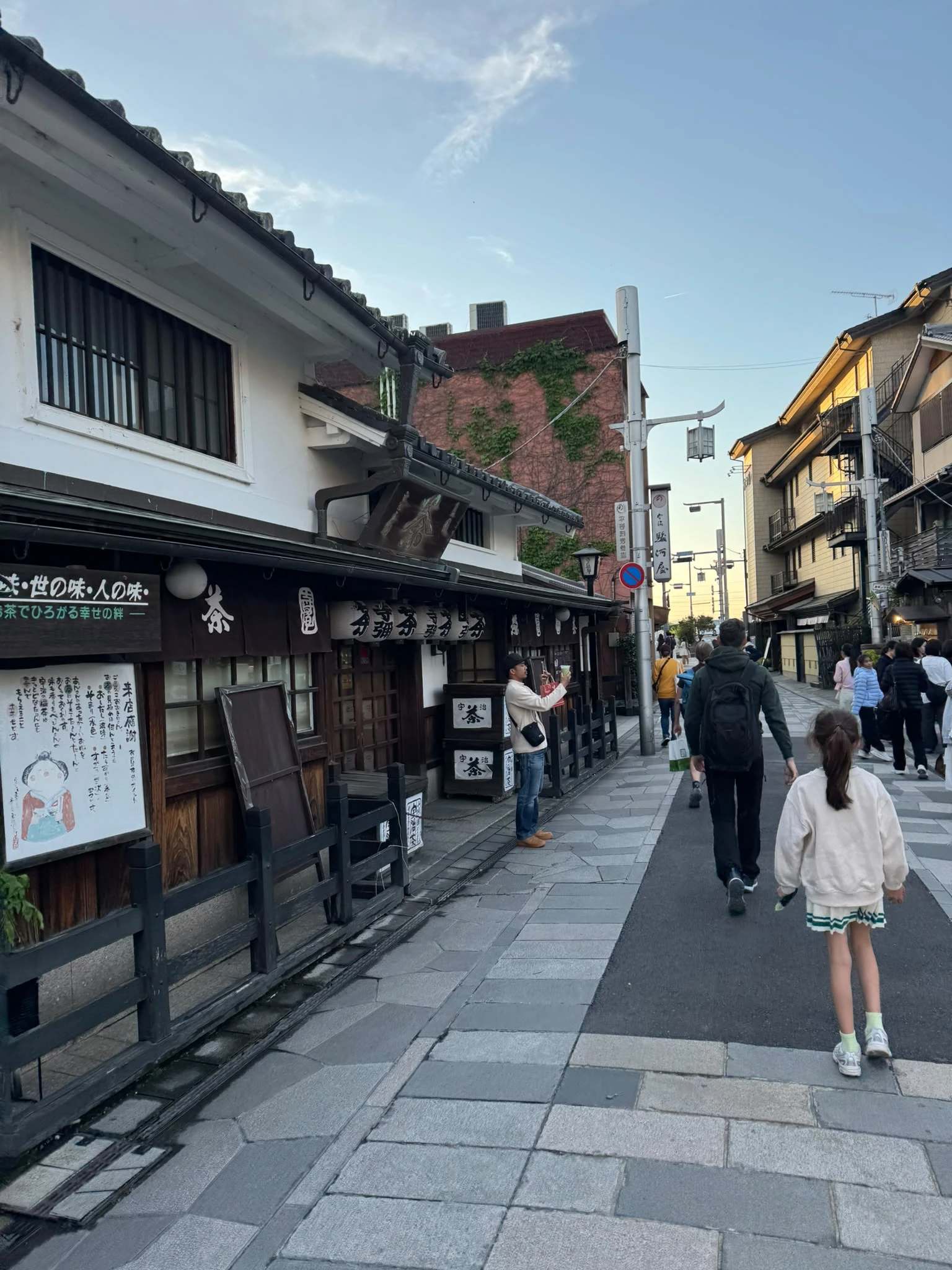
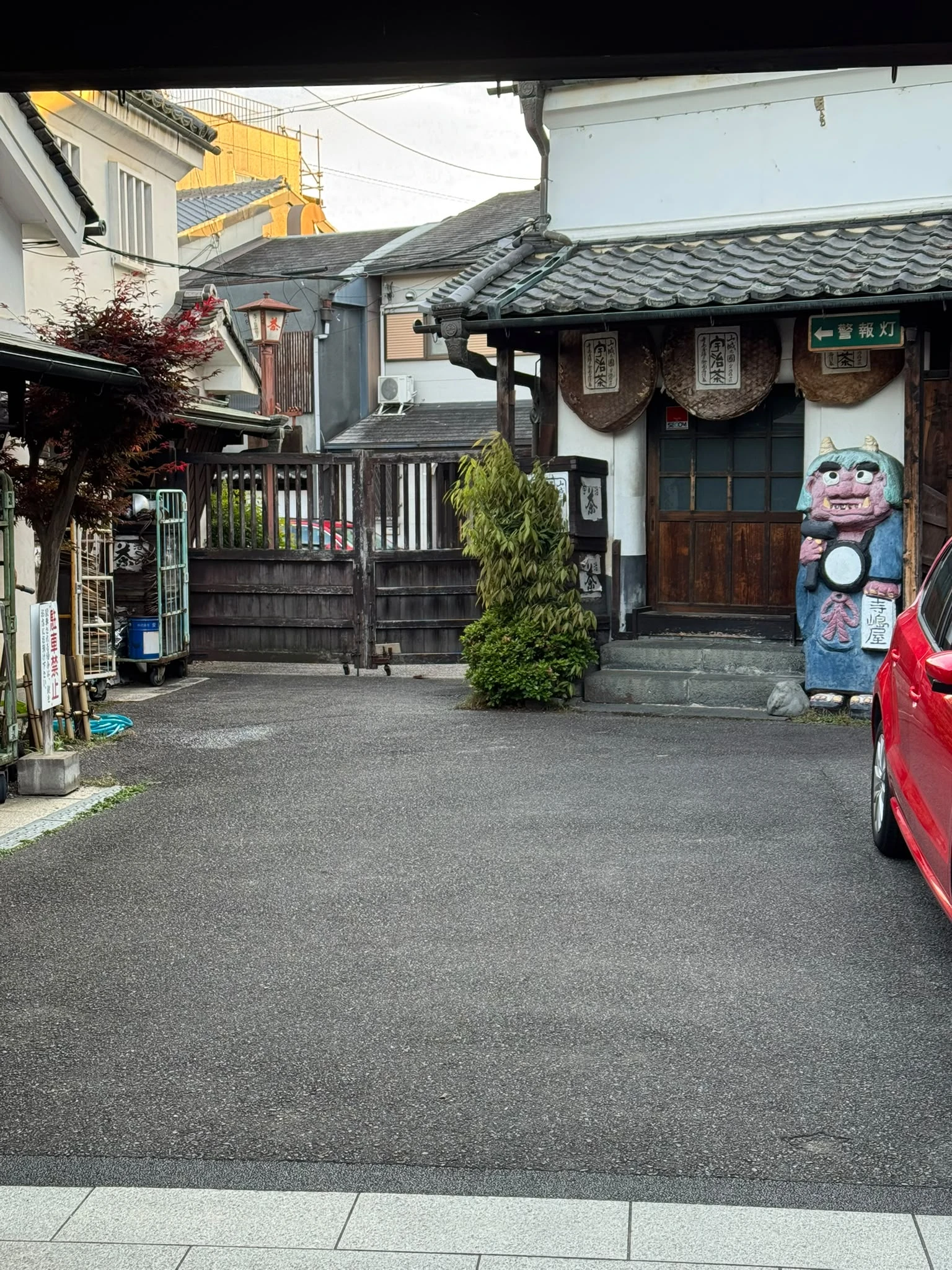
We took the train and then walked to the temple, and the walk is part of the fun. The street leading to Byōdō-in is lovely, lined with little shops, tea houses and people selling all kinds of things. There’s a smell of roasted tea in the air, shop windows full of matcha sweets and a buzz that makes you want to stop at every step.
We brought home fabrics with embroidered patterns and a pencil made from a tree branch, the kind of souvenirs you won’t find anywhere else.
And there was one stop that wasn’t in the plan: on the way to the temple, we went down to the bank of the Uji River and dipped our feet in the water. Cool, clear, with the mountains in the background. One of those simple moments that ends up among the best of the trip.
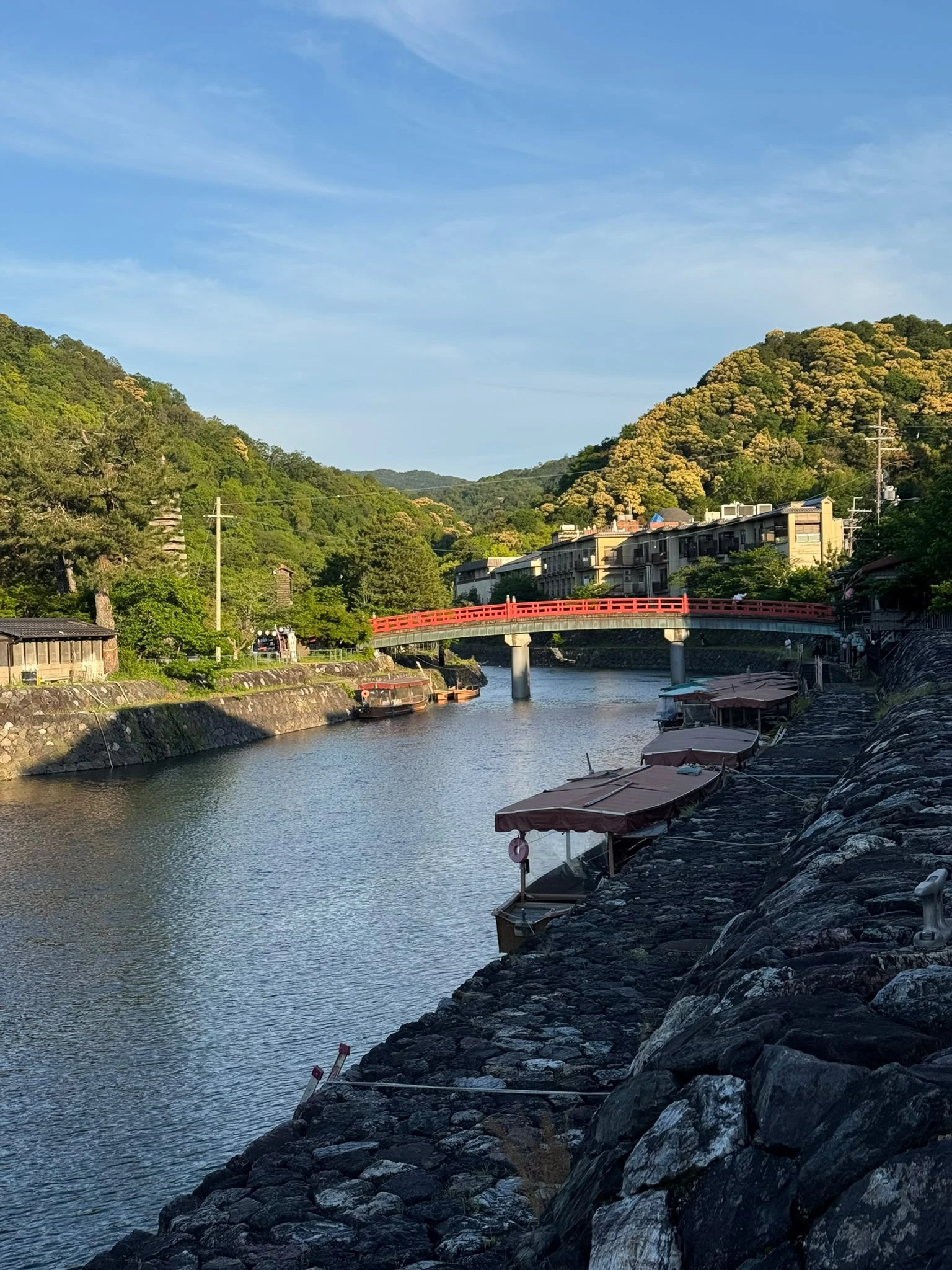
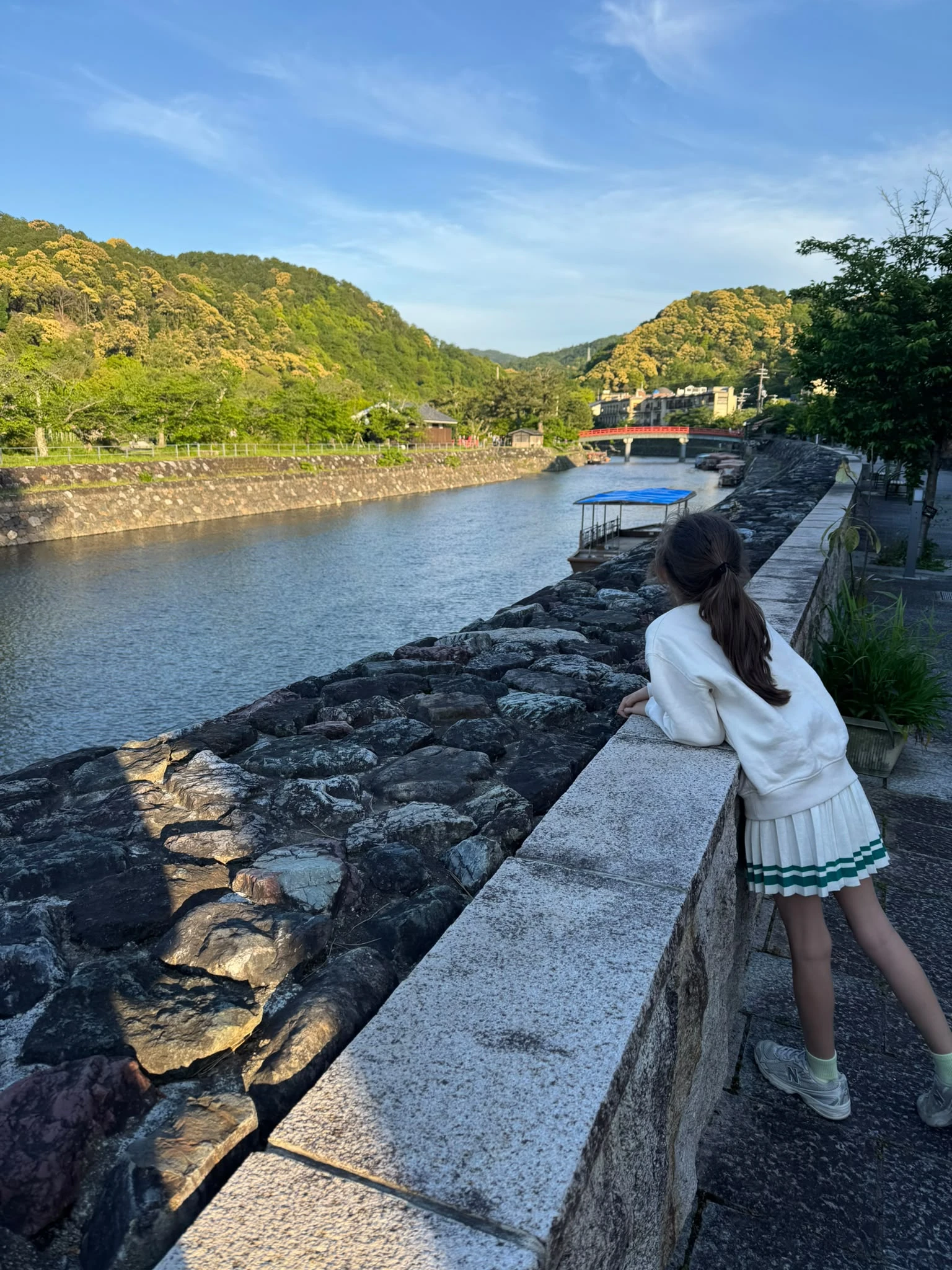
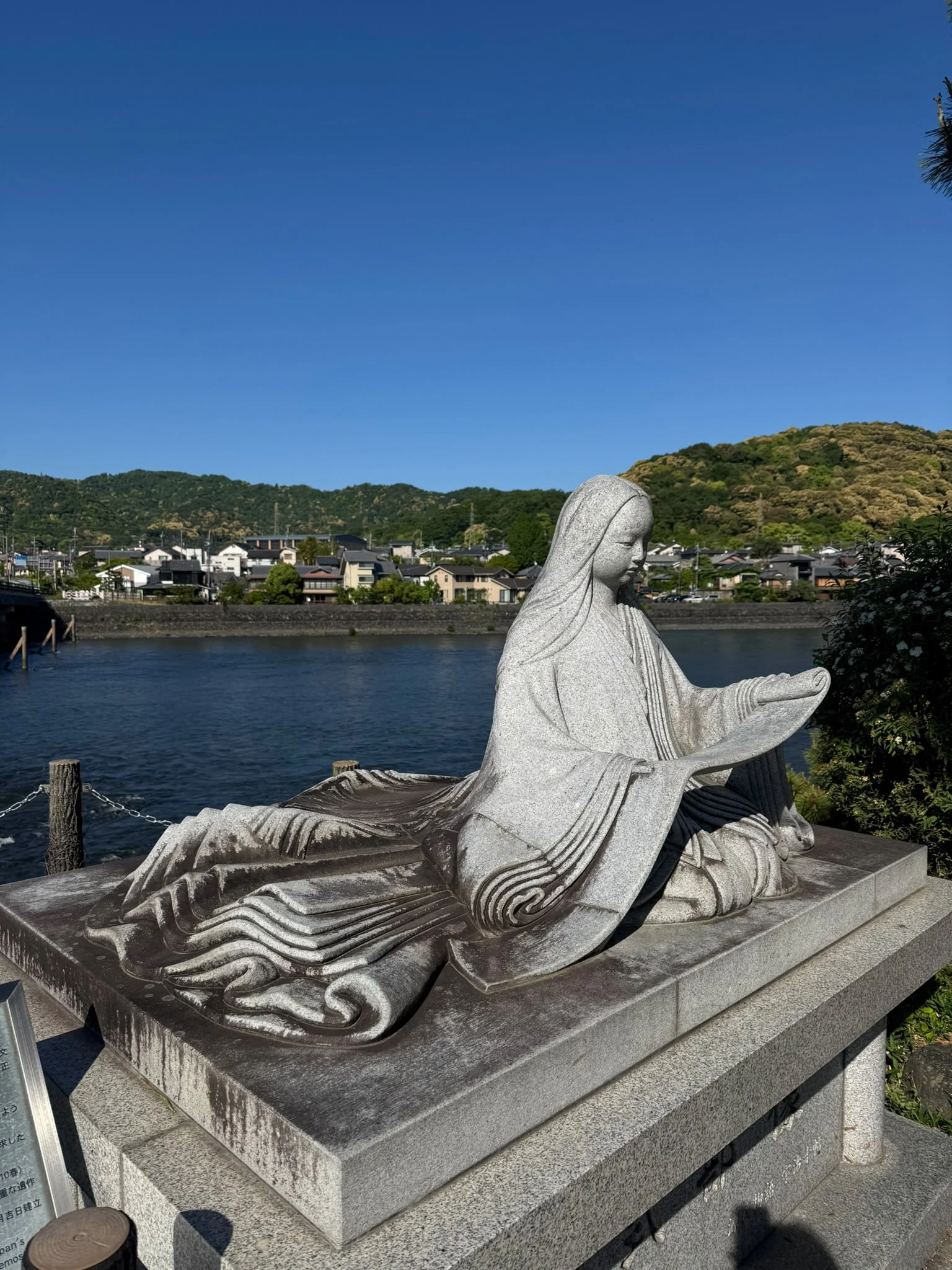
By the river, near Uji Bridge, stands a statue of Murasaki Shikibu, author of The Tale of Genji, often called the world’s first novel. Its final chapters are set right here in Uji, and the town is very proud of it.
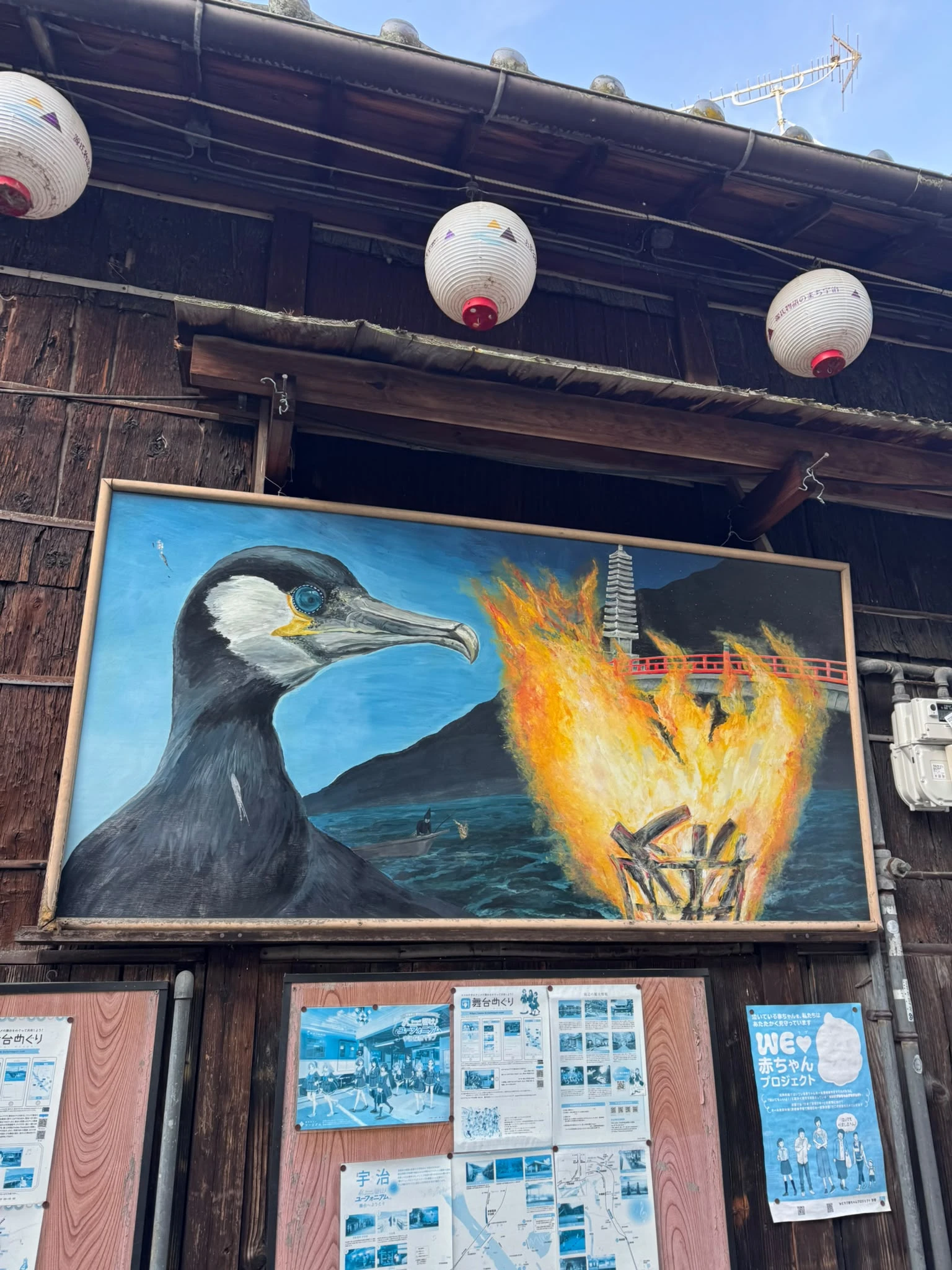
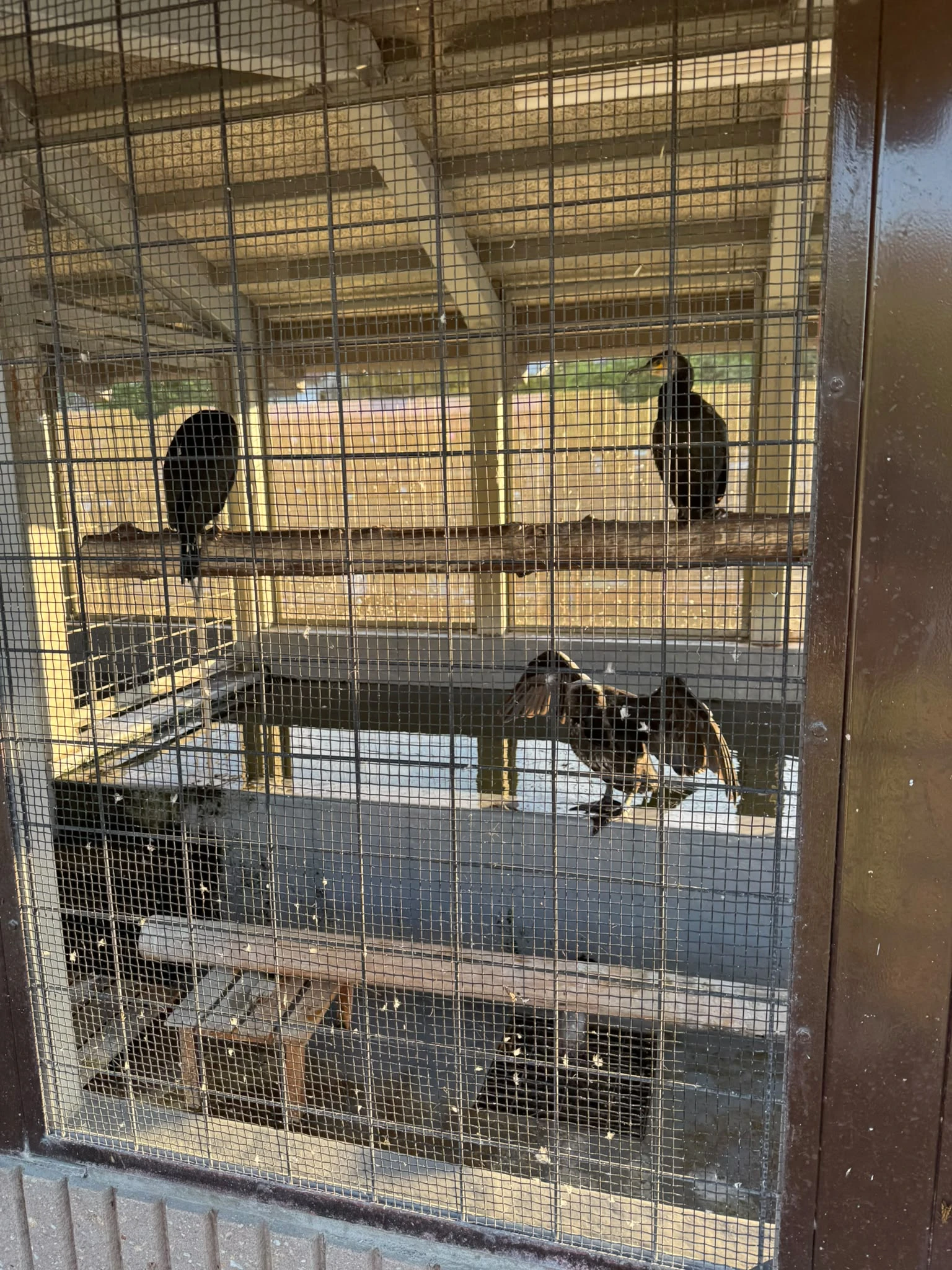
Uji also has a centuries-old tradition of cormorant fishing, ukai: on summer nights, fishermen head out by boat with blazing torches and the birds do the catching. We weren’t there in season, but we found the tradition everywhere, in a huge painting on a wooden house and in the cormorants themselves, which live by the river.
Uji is famous for its matcha. I had tried it before and, honestly, I don’t find it anything special on its own, but in a latte or a soft-serve ice cream it’s a lovely treat as you wander. Save time for this street: it’s half the experience.
After Byōdō-in: shrines, rabbits and dango
Across the river, a few minutes’ walk over the red bridge, there are two shrines that are well worth it: Uji-jinja and, just above it, Ujigami-jinja. They’re much smaller and quieter than Byōdō-in, and that’s exactly what won us over. After the grandeur of the Phoenix Hall, we almost had them to ourselves, with the golden late-afternoon light coming through the red torii gates.
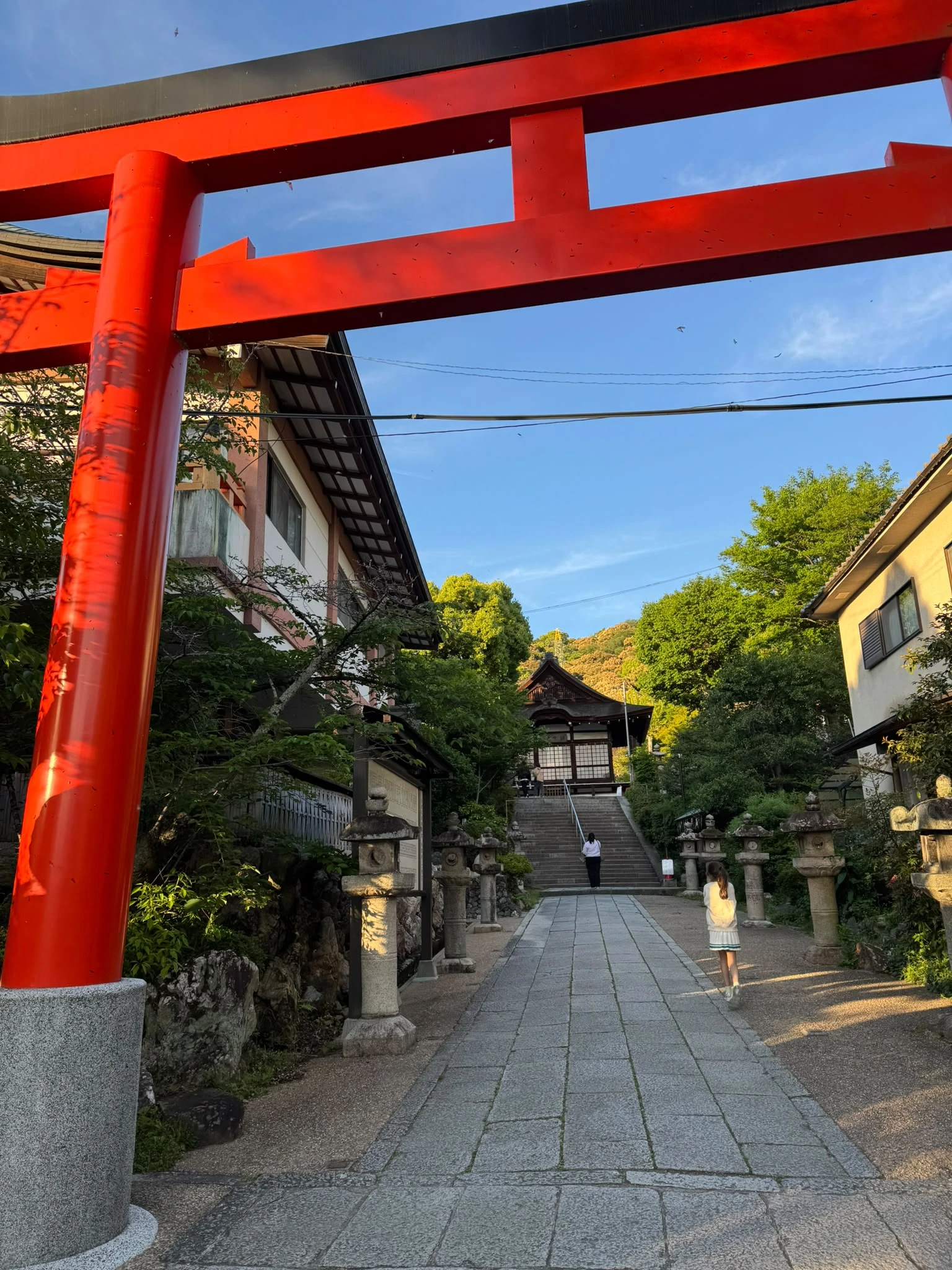
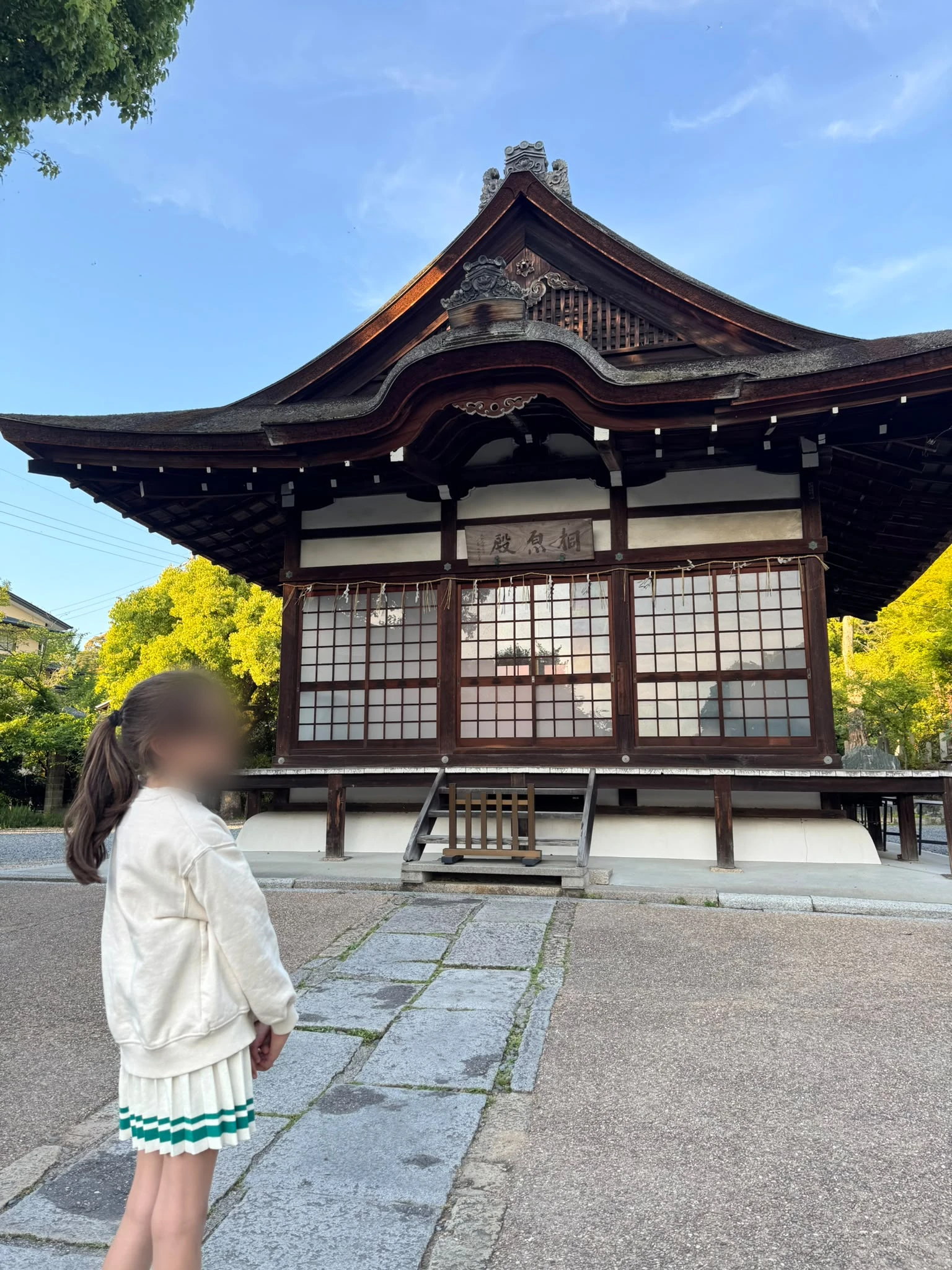
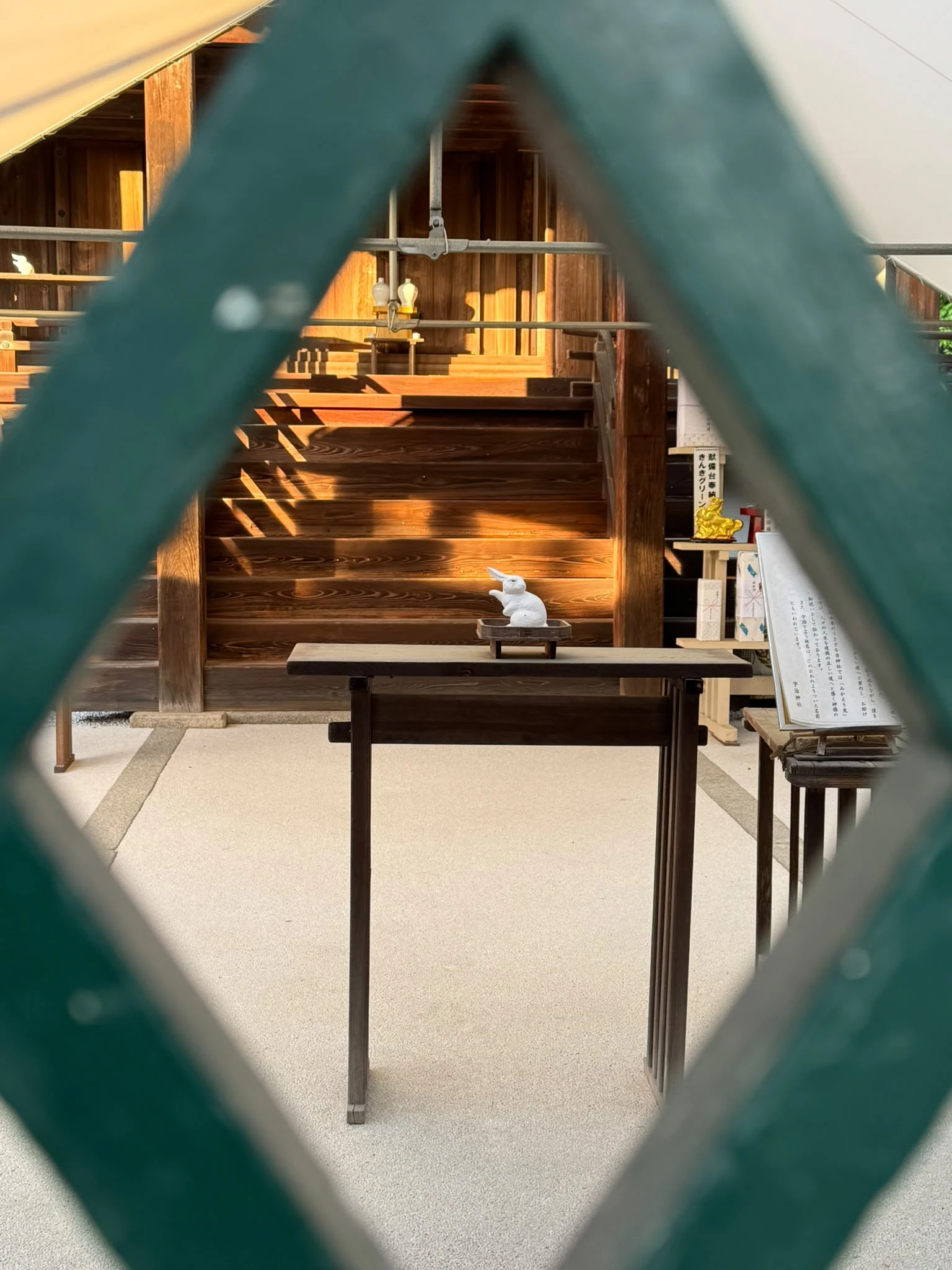
Ujigami-jinja is a UNESCO World Heritage Site, and its main hall is considered the oldest surviving Shinto shrine building in Japan. At Uji-jinja, look out for the rabbits: the shrine’s symbol is the mikaeri usagi, a rabbit looking back over its shoulder, and little figurines are everywhere.
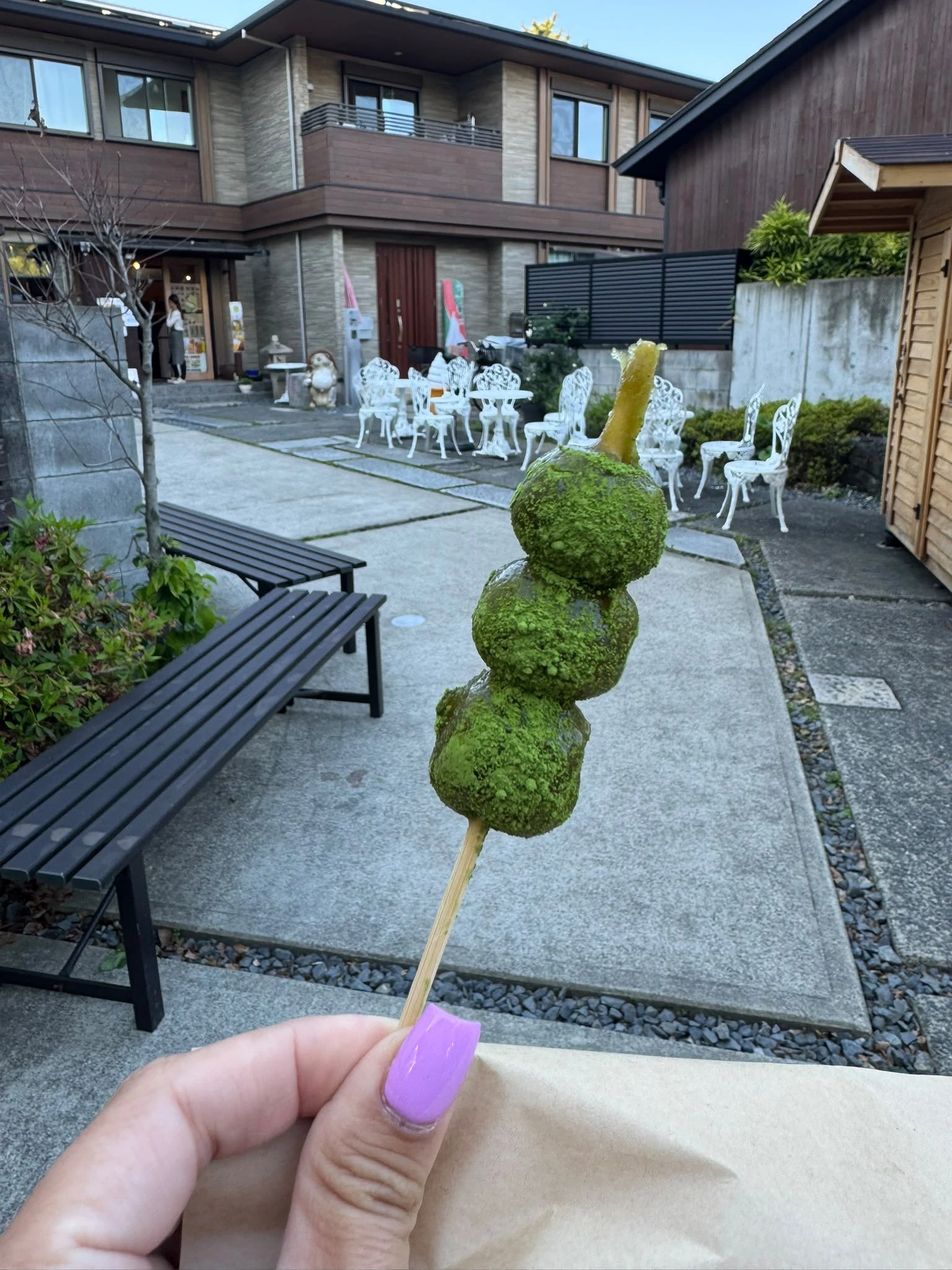
To finish, we stopped for some street food. The others went for grilled chicken skewers, and since I don’t eat meat, I went for dango, little rice dumplings on a stick: one mitarashi, with a sweet soy glaze, and one coated in matcha. In Uji, matcha always finds its way in, and I’m glad it does.
Tickets, opening hours and cost
- General ticket (gardens + Hōshōkan museum): 700 yen per adult
- Inside the Phoenix Hall: an extra 300 yen, for a short guided visit in small groups. You buy it at the temple and places are limited, so get it as soon as you arrive.
- Gardens: 8:30 am to 5:30 pm (last entry 5:15 pm)
- Museum: 9 am to 5 pm (last entry 4:45 pm)
- Phoenix Hall: visits between 9:50 am and 3:50 pm
In total, it’s 1,000 yen per person to see everything. Prices and times can change, so check the official website before you go.
How to get to Uji from Kyoto
- By JR train: JR Nara Line from Kyoto Station to JR Uji, in about 20 to 30 minutes. It’s covered by the JR Pass.
- By Keihan train: Keihan Uji Line to Keihan Uji Station, handy if you’re staying around Gion.
- On foot: the temple is about 10 to 15 minutes from either station, along the shopping street.
Since Uji is halfway between Kyoto and Nara, you can combine both in a single day. If you’re heading to Nara, don’t miss Nara at night with the deer and lunch at Sanjobo, my favourite restaurant in Japan. For more of Kyoto off the usual circuit, read From Otagi to Arashiyama on foot.
FAQ
Is Byōdō-in worth visiting?
Absolutely. It’s one of the most beautiful buildings in Japan, almost a thousand years old and featured on the 10 yen coin. With the museum and the shopping street, it’s a complete visit just half an hour from Kyoto.
How much does it cost to visit Byōdō-in?
The general ticket costs 700 yen per adult and includes the gardens and the Hōshōkan museum. Going inside the Phoenix Hall costs an extra 300 yen.
How much time do you need?
About 1.5 to 2 hours for the gardens, the museum and the inside of the hall. Add another hour to wander the shopping street and try some matcha.
Why is Byōdō-in on the 10 yen coin?
The Phoenix Hall is one of the most important symbols of Japanese architecture and has been on the 10 yen coin since 1951. One of its roof phoenixes also appeared on the 10,000 yen note.
How do you get to Byōdō-in from Kyoto?
Take the JR Nara Line to JR Uji (20 to 30 minutes) or the Keihan Uji Line. Then it’s a 10 to 15 minute walk.
Is it worth it?
Without a doubt. Many people skip Uji because it’s outside central Kyoto, and that’s exactly why it’s worth the short trip: fewer crowds, a stunning temple, a museum full of unique pieces and a lively street to wander.
If you’re lucky enough to get a sunny day like we did, be ready not to want to leave. Some landmarks are famous for a reason. This one went beyond all our expectations.